






Singapore Property Market Wealth Building Strategy in 2026: How Real Estate Creates Long-Term Financial Growth
688 Views
Wealth Building Through Property Has Become More Structured
In 2026, property in Singapore is no longer viewed as a fast wealth multiplication tool. Instead, it is treated as a structured, long-term wealth-building instrument that prioritizes stability, compounding, and risk management.
This shift reflects a more mature investor mindset shaped by higher interest rates and stricter financial conditions.
Compounding Value Over Time Is the Core Principle
The primary wealth-building mechanism in property is long-term compounding. Instead of relying on rapid price jumps, investors benefit from gradual appreciation over extended holding periods.
Read More: What Sets the Best Housemaid Companies in the UAE Apart?
This compounding effect is driven by:
- Land scarcity
- Infrastructure improvements
- Inflationary pressure
- Steady demand growth
Leverage Still Plays a Role, But More Carefully
Leverage remains an important tool, but it is now used more conservatively. Investors focus on manageable loan structures rather than maximizing borrowing capacity.
This reduces risk while still allowing controlled exposure to asset growth.
Rental Income Supports Wealth Stability
Rental income plays a key role in sustaining long-term wealth-building strategies. It helps offset holding costs and provides steady cash flow during different market cycles.
More importantly, it adds stability to overall portfolio performance.
Entry Timing Influences Long-Term Outcomes
While property is a long-term asset, entry timing still matters. Buying during periods of stable pricing or lower sentiment can improve long-term returns significantly.
However, timing is now considered secondary to asset quality.
Asset Selection Determines Wealth Efficiency
Not all properties contribute equally to wealth creation. High-quality assets with strong fundamentals tend to outperform over time due to better demand resilience and resale liquidity.
Key selection factors include:
- Connectivity
- Rental demand
- Developer reputation
- Layout efficiency
Strategic Positioning Improves Long-Term Compounding
Properties that are well-positioned in terms of location and design tend to compound value more effectively over time. They attract a wider buyer base and maintain stronger liquidity across cycles.
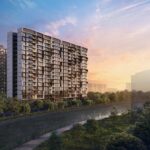
Developments such as Lucerne Grand support this strategy because their accessibility and modern design appeal help maintain consistent demand, which strengthens long-term value compounding.
Portfolio Diversification Strengthens Wealth Stability
Wealth building is not dependent on a single asset. Many investors diversify across multiple properties to balance risk and smooth returns across different market conditions.
This reduces exposure to localized downturns.
Suburban Growth Adds Long-Term Upside Potential
Suburban areas offer long-term wealth-building potential due to ongoing infrastructure development and affordability advantages. However, selection is critical, as not all suburban assets perform equally.
Connectivity and future development plans are key drivers.
Lifestyle Demand Enhances Long-Term Value Retention
Properties that offer strong lifestyle appeal tend to retain value better over time. Buyers and tenants are more likely to stay engaged with developments that provide comfort, environment quality, and convenience.
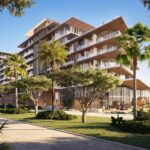
Island Residences reflects this dynamic by appealing to buyers seeking a more relaxed residential environment while still maintaining access to urban infrastructure, supporting long-term value stability and consistent demand.
Risk Management Is Part of Wealth Creation
Modern wealth-building strategies focus heavily on risk management. Investors aim to protect downside exposure while maintaining upside potential.
Read More: How to Choose the Best Water Softener for Your Home
This includes careful financing, liquidity planning, and asset selection.
Long-Term Holding Is Essential for Compounding
The most important principle in property wealth building is time. Longer holding periods allow compounding effects to fully materialize and reduce sensitivity to short-term market fluctuations.
This creates more predictable outcomes.
Conclusion
Wealth building through Singapore property in 2026 is a disciplined, long-term process driven by compounding, risk management, and strategic asset selection. The focus has shifted from short-term gains to sustainable financial growth.
Developments such as Lucerne Grand and Island Residences demonstrate how strong positioning and lifestyle alignment can support long-term wealth creation by enhancing demand stability, rental resilience, and capital preservation across market cycles.
