




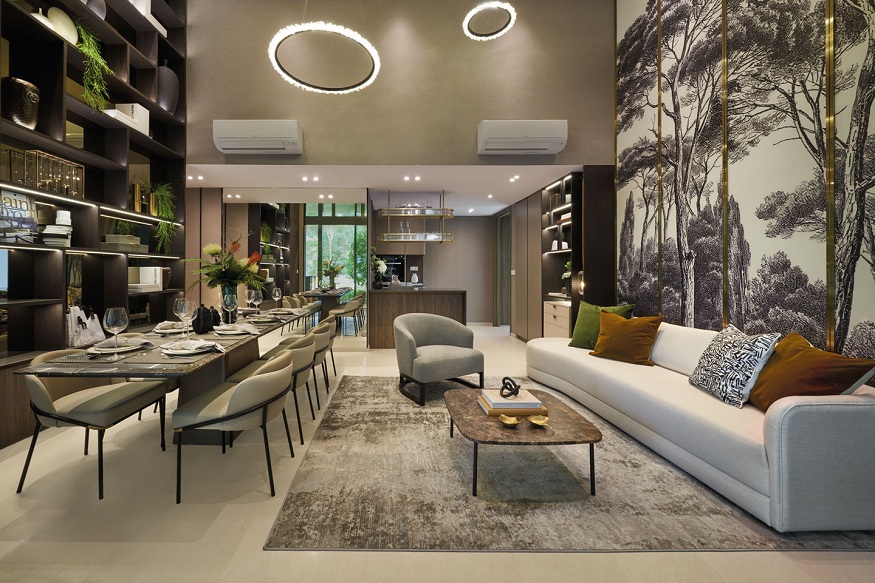
Singapore EC Lifestyle Planning: Designing Life During MOP
314 Views
The Minimum Occupation Period (MOP) is often discussed in Singapore’s Executive Condominium (EC) market as a restriction phase, but for many homeowners, it is actually the most important lifestyle-building period of the entire ownership journey. This is when daily routines stabilise, family structures evolve, and long-term living patterns are formed.
Rather than viewing MOP as a waiting stage before “real flexibility” begins, successful EC owners treat it as a structured window to design how life will function for the next five to ten years.
For households living in developments such as Solano Grand and Wynwood Grand, this phase becomes less about property rules and more about shaping a sustainable and fulfilling living environment.
MOP Is a Lifestyle Formation Period, Not Just a Rule
The MOP requires EC owners to occupy their home as their primary residence for a fixed number of years. While this is a regulatory condition, its practical impact is much deeper.
During this period, households:
- Establish daily commuting patterns
- Settle into nearby schools and childcare systems
- Build relationships within the community
- Adapt to spatial and layout realities of the home
- Develop long-term financial habits tied to mortgage commitments
This is not passive waiting. It is active life structuring.
Owners of Solano Grand may find that this period coincides with early family growth stages, while Wynwood Grand residents may experience consolidation of more established household routines. In both cases, lifestyle formation becomes central.
Daily Routine Stability Becomes the Core Value
One of the most underrated aspects of EC living is routine stability.
Once a household settles into a property, daily life becomes increasingly predictable:
- Morning commutes follow consistent routes
- School schedules shape family rhythms
- Grocery, healthcare, and leisure patterns stabilise
- Weekends often revolve around nearby amenities
Over time, this predictability creates efficiency and emotional comfort.
Rather than constantly adjusting to new environments, families build familiarity that reduces daily friction. This is one of the reasons EC ownership is often considered suitable for long-term household anchoring.
How Family Growth Shapes EC Living Experience
Most EC buyers enter the market at a transitional life stage. Over the MOP period, families typically evolve significantly.
Common changes include:
- Marriage progressing into parenthood
- Children moving through early schooling stages
- Parents requiring more support or proximity
- Household income adjustments over time
These shifts directly influence how space within the home is used.
Read More: Singapore Property Holding Period Strategy: Why Time in the Market Matters More Than Timing in 2026
A unit that felt spacious at purchase may feel differently a few years later, not because the property changed, but because the household did.
This is why lifestyle planning is essential from the beginning rather than reactive later.
The Importance of Neighbourhood Integration
A key part of EC lifestyle success is how well households integrate into their surrounding environment.
Integration includes:
- Knowing nearby amenities and shortcuts
- Building familiarity with transport options
- Establishing social connections within the estate
- Understanding peak hour movement patterns
- Identifying reliable daily service points
Over time, this reduces dependency on exploration and increases comfort.
In developments like Solano Grand, integration may evolve alongside ongoing neighbourhood development, while Wynwood Grand residents may experience more immediate stability depending on surrounding maturity.
In both cases, deeper integration leads to a stronger sense of belonging.
Space Usage Evolves Over Time
Another overlooked aspect of EC living is how space is used differently as time passes.
Initially, rooms may be assigned based on planned use:
- Guest room
- Study room
- Nursery
- Storage
However, as household needs change, these spaces often shift purpose.
Examples include:
- Study rooms becoming home offices
- Guest rooms converted into children’s bedrooms
- Living areas adapted for multi-use functions
- Storage needs expanding over time
This adaptability is crucial for long-term comfort. Homes that support flexible usage tend to remain relevant throughout the entire MOP and beyond.
Financial Routine Becomes Part of Lifestyle Design
EC ownership is not just a housing decision—it is a long-term financial rhythm.
Monthly mortgage payments influence:
- Spending habits
- Savings discipline
- Investment decisions
- Career planning
- Household risk tolerance
Over time, financial structure becomes integrated into lifestyle behaviour.
This is why EC owners often develop stronger budgeting discipline compared to short-term renters or transient homeowners. The commitment encourages structured financial planning over years rather than months.
Social Environment and Community Formation
One of the unique aspects of EC living is community formation.
Because many residents enter at similar life stages, EC estates often develop:
- Family-oriented social groups
- Informal childcare support networks
- Shared recreational activities
- Community familiarity among neighbours
These connections contribute significantly to long-term satisfaction.
For residents of Solano Grand, these networks may evolve gradually as the estate matures, while Wynwood Grand communities may form earlier due to established surroundings.
Either way, social environment becomes part of the home’s long-term value.
Managing Expectations During the MOP Years
Expectation management is critical during the MOP period.
Some buyers initially expect:
- Rapid property appreciation
- Immediate lifestyle perfection
- Stable routines without adjustment
- Predictable market outcomes
However, real experience often includes:
- Gradual neighbourhood changes
- Evolving family needs
- Financial adjustments over time
- Periodic market fluctuations
Successful EC owners accept that this phase is dynamic rather than fixed.
Flexibility and adaptability are key traits that improve overall satisfaction.
Lifestyle vs Investment: The Shift in Focus
While EC decisions often begin with investment considerations, lived experience typically shifts focus toward lifestyle.
Over time, homeowners tend to value:
- Convenience over speculation
- Comfort over theoretical returns
- Community over comparison
- Stability over constant optimisation
This does not mean financial considerations disappear, but they become balanced with live experience.
Developments like Solano Grand and Wynwood Grand often demonstrate this shift clearly, as initial purchase motivations evolve into daily living realities.
A Practical Approach to Designing Life During MOP
To maximise the value of the MOP period, homeowners can take a structured approach:
1. Establish Stable Daily Systems
Create predictable routines for commuting, schooling, and household management.
2. Optimise Home Functionality Early
Adjust layout usage early rather than waiting for discomfort to emerge.
3. Build Local Knowledge
Familiarise the household with nearby amenities and services.
4. Strengthen Financial Discipline
Maintain consistent savings and repayment habits throughout the period.
5. Stay Flexible to Change
Accept that household needs will evolve over time.
Conclusion
The Minimum Occupation Period is not simply a regulatory phase in Singapore’s Executive Condominium journey—it is the foundation of long-term lifestyle formation. It is during this time that households build routines, shape financial habits, and establish the social and environmental context of their daily lives.
Whether living in Solano Grand, Wynwood Grand, or any other EC development, the quality of life experienced during the MOP often has a greater impact on overall satisfaction than any short-term market movement.
Ultimately, successful EC ownership is not defined by how quickly one exits after MOP, but by how well life is designed and lived during it.
